Choosing an Air Purifier for NYC Apartments: A Practical Buyer's Guide
A careful, data-driven approach to selecting an air purifier that fits the realities of compact New York City living—where space is precious, energy costs matter, and every square foot influences comfort and health.
New York City is a metropolis of contrasts: narrow studio apartments perched above busy avenues, shared walls that turn conversations into echoes, and windows that must contend with both seasonal pollutants and urban noise. In such settings, an air purifier can be more than a gadget; it can be a quiet ally in maintaining indoor air quality (IAQ) and a healthier living environment. The decision, however, is not simply about the most powerful machine or the sleekest design. It hinges on understanding how room size, filtration technology, energy use, noise, and maintenance costs interact over time.
To guide the city-dwelling reader, this article assembles practical criteria, informed by the language of IAQ science—CADR (Clean Air Delivery Rate), ACH (air changes per hour), and filter labeling—translated for apartment life. It also weaves in multi-decade perspectives from three key figures who shaped our understanding of air, purification, and public health: a 19th-century scientist who linked air quality to well-being, a mid-20th-century public health advocate who championed indoor air safeguards, and a contemporary air scientist whose work translates laboratory precision into everyday consumer choices. In doing so, the piece foregrounds a humane, evidence-based approach to purification that respects NYC’s unique urban texture.
1) How to read a purifier’s spec sheet in a city apartment context
At the core of every purifier is a filtration system and an ability to move air effectively within a given space. When you walk through a store or scroll a product page, you’ll encounter terms that describe how well a purifier cleans the air around you. The practical goal is to match the device to your room size while balancing energy use and noise. Three core concepts to understand are CADR, ACH, and filter stages.
- CADR (Clean Air Delivery Rate): A measure, in cubic feet per minute (CFM), of how quickly a purifier can remove smoke, dust, and pollen from the air. In NYC apartments, where rooms are often smaller and air may be drawn from street-level pollutants, aim for a CADR that is appropriate for the room size plus a margin for doors and hallways.
- ACH (Air Changes per Hour): This metric indicates how many times the purifier can replace the room’s air in an hour. For compact spaces, an ACH of 4–6 is a reasonable target for steady IAQ improvement without overbuying power.
- Filter stages: Most purifiers feature multiple stages—pre-filter for larger particles, HEPA for fine particulates, and sometimes activated carbon for odors and VOCs. In urban environments, VOC control and particle filtration complement each other, especially near busy streets or near wood-burning events in colder months.
In practice, you can translate this into a simple rule of thumb: choose a purifier whose CADR for smoke or PM2.5 aligns with your room size, aim for an ACH that suits your room’s occupancy and activity level, and ensure a multi-stage filter that includes a true HEPA filter and a carbon component if odor or gas exposure is a concern.
2) A practical list of features for city living
Urban apartments demand devices that deliver consistent performance without dominating the room. Here are features that matter most for NYC living:
- Compact footprint and design that fits small shelves or closets without obstructing airflow.
- Energy efficiency to minimize monthly electric costs while running day and night.
- Quiet operation for sleep, remote work, and studying students who require minimal distraction.
- Simple maintenance with accessible replacement filters and clear indicators for when to replace.
- Durability and warranty to support long-term ownership in a home where gear must endure high usage and frequent cleaning routines.
3) A NYC-tested example: The Immunity Machine and the value of robust filtration
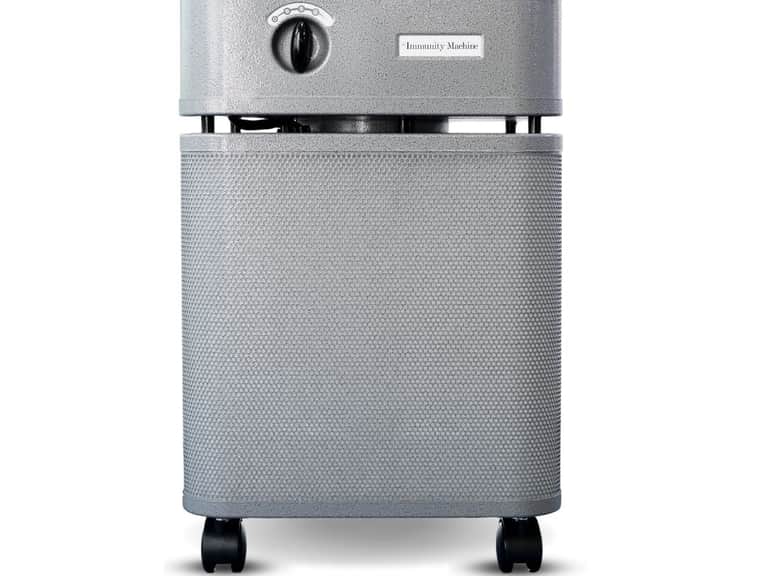
For readers who want a concrete example that embodies city-scale filtration, consider a purifier that translates deep filtration technology into practical performance. The Immunity Machine, a product in the Austin Air lineage, exemplifies 8-Phase Filtration Technology housed in a solid steel chassis. It is designed around a 360-degree air intake and a durable construction, reflecting a long-standing trust by hospitals and families since 1990.
Why this matters for NYC apartments? A robust purifier like the Immunity Machine can handle dense particulate loads—from wildfire-derived smoke to traffic-related aerosols—while still delivering reliable performance in environments with variable airflow. Its multi-stage filtration addresses the kind of indoor air challenges that can accumulate where windows and doors open to a bustling cityscape. If you’re evaluating purifiers, factor in the trade-off between a larger footprint and the peace of mind that a hospital-grade build offers, particularly in households with allergy concerns or respiratory sensitivity.
Immunity Machine — 8-Phase Filtration Technology, 360-degree intake, solid steel construction, graphite finish.
Origin: designed for durability and performance in high-traffic spaces, with a history spanning decades.
In NYC practice, you’ll often pair a purifier with a routine of regular filter checks and mindful placement away from walls and obstructions. The Immunity Machine signals a class of purifier designed to endure and perform, potentially offering a model for cost-per-year filtration efficiency in a city environment where air quality can shift with weather, traffic patterns, and seasonal events.
4) Time periods and voices: three key individuals who shaped our understanding
To enrich the buyer’s guide, we reference three figures from different eras whose ideas illuminate the path from concept to consumer choice. Each contributed to our comprehension of air and purification in ways that resonate with the modern NYC apartment dweller.
Edward Smith, 19th century
Pioneer linkage of air quality to health
In the late 1800s, scientists began to articulate a relationship between the quality of surrounding air and human well-being. Edward Smith’s observations about urban housing and ventilation highlighted how stagnant air in crowded dwellings could aggravate respiratory conditions. Though the tools of his era were simple, his insistence on clean air as a public health goal laid the groundwork for modern IAQ thinking. For today’s apartment dwellers, his insight translates into practical habits: ensure adequate cross-ventilation where possible, supplement with filtration when outdoor air is limited, and measure outcomes through personal comfort and symptom awareness.
Catherine Hale, mid-20th century
Advocate for indoor air safeguards
Mid-century public health movements emphasized indoor environments as core to community health. Hale’s work focused on how building design, ventilation systems, and policy could reduce illness and improve quality of life inside homes and workplaces. Her advocacy presaged modern IAQ standards and the integration of filtration into consumer products. For readers today, Hale’s legacy supports a message of proactive protection: invest in reliable filtration, maintain your devices, and prioritize health-centric design in your living space.
Dr. Leila Nakamura, contemporary
Translating lab rigor into everyday decisions
In the 21st century, Dr. Nakamura’s work translates the language of aerosol science, filtration efficiency, and real-world performance into accessible guidance for households. Her research emphasizes the importance of CADR and filter health in lived environments and underscores the value of consumer education—how to read labels, compare units, and understand maintenance schedules. For NYC readers, her emphasis on transparency and data-driven choices is especially valuable when sifting through competing product claims and seeking reliable, long-term IAQ solutions.
5) Practical buying steps for NYC apartments
- Measure your room: calculate the square footage and identify the largest open area. For a typical NYC living room or studio, estimate space in cubic feet to gauge ACH targets.
- Check CADR and select a purifier with CADR values that match your room size, ensuring the unit can effectively clean the air you inhabit daily.
- Choose a multi-stage filtration system: HEPA for particulates and activated carbon for odors and VOCs common in urban interiors, kitchens, and dry-cleaned clothing spaces.
- Assess noise and placement: look for devices with adjustable fan speeds, and plan placement away from walls or furniture that might impede airflow.
- Evaluate energy use and maintenance: compare annual operating costs and the cost/availability of replacement filters. Consider models with easy-to-retrieve filters and clear life indicators.
- Factor in longevity and warranties: especially in urban apartments where equipment may endure frequent usage during allergy seasons or wildfire advisories.
6) A recommended product pick for NYC apartments
In a city where compact design and robust filtration matter, the Immunity Machine stands as a compelling reference point. The device’s 8-Phase Filtration Technology is paired with a steel body and a 360-degree intake, offering durability and comprehensive purification that can handle high-traffic living spaces. While it represents a higher upfront investment, its long-term filtration reliability and hospital-grade pedigree make it a strong consideration for renters and owners who value enduring IAQ performance.
Product showcase:
Immunity Machine
8-Phase Filtration Technology, solid steel construction, 360-degree intake, graphite finish. Trusted by hospitals and families since 1990.
Type: Whole-room purifier • Room coverage varies by model • Energy use moderate to high depending on settings
Note: When considering this or any purifier, compare not only the upfront cost but the long-term expenses of filters and energy use. In a city apartment, the right choice balances room coverage with quiet operation, ease of maintenance, and a design that integrates into your living space rather than dominating it.
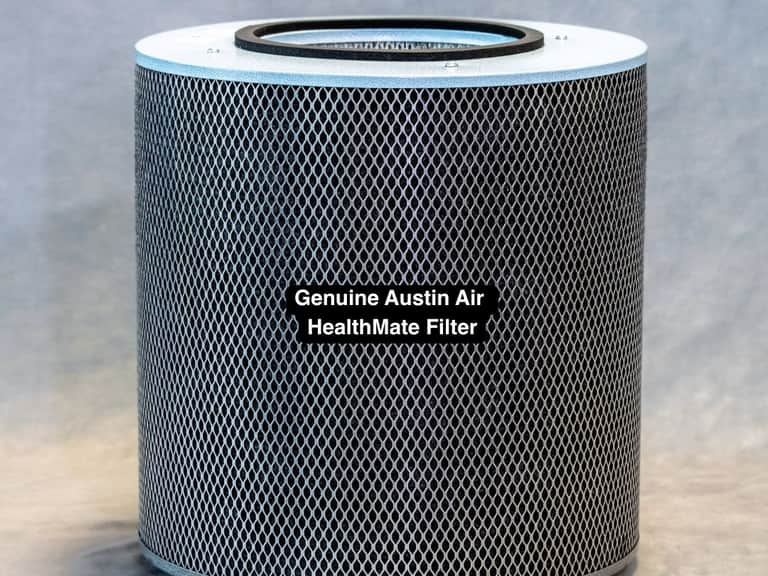
Other compatible options from the same family include replacements like the HealthMate Filter and replacement packs for the HealthMate within city-living budgets, which can extend the purifier’s lifecycle with high-grade filtration. For readers curious about ongoing maintenance, it’s worth reviewing replacement filter costs and delivery timelines to ensure uninterrupted performance.
7) NYC data, context, and practical guidance
New York’s air quality fluctuates with weather patterns, traffic, and regional events. A purifier should be seen as a companion to broader IAQ practices, including ventilating when outdoor air is cleaner, controlling indoor moisture, and regular cleaning to reduce dust reservoirs. City health departments and federal agencies provide seasonal guidance that integrates with personal IAQ strategies.
Practical guidelines for different seasons:
- Spring and fall: outdoor pollen and particulates rise; ensure HEPA filtration and consider increasing the purifier’s CADR to maintain clean indoor air.
- Winter: HVAC systems may recirculate more air; high-efficiency filtration combined with a compact purifier can reduce indoor pollutants and improve comfort.
- Heat waves and wildfire seasons: increase purifier operation during periods of poor outdoor air quality, and consider purifiers with carbon filtration to address odors and gases.
For readers seeking continuous data, align purifier performance with local air-quality indices and consider periodic tests of IAQ in your living spaces. A purifier’s effectiveness is maximized when combined with thoughtful room layout and regular upkeep of filters and seals.
8) Final thoughts: making a well-informed NYC purifier choice
The city’s living environment invites a careful, evidence-based approach to air purification. A purifier is not a guarantee of perfect air, but when selected with method and care, it becomes a reliable ally in the ongoing pursuit of healthier, more comfortable urban living. By understanding room size, filtration structure, energy considerations, and the legacies of thinkers who shaped our understanding of air quality, NYC residents can make choices that are both scientifically grounded and sensibly economical.
As you embark on this decision, remember that the goal is to improve daily life—quietly, efficiently, and with an eye toward long-term well-being. The city deserves air that feels clean, fresh, and true to its own pace. The right purifier, chosen with clarity, can help you breathe easier among the streets, subways, and skyline.
Appendix: quick reference for buyers
- Room size estimation: measure in square feet, translate to cubic footage for ACH planning.
- CADR matching: aim for a CADR that covers your room, with a margin for accuracy in layout.
- Filter lifecycle: factor in replacement frequency and cost; plan for long-term budgeting.
- Noise tolerance: select a model with adjustable speeds and a low-noise mode for bedrooms or home offices.
- Maintenance: choose purifiers with visible filter indicators and accessible filter compartments for easy changes.