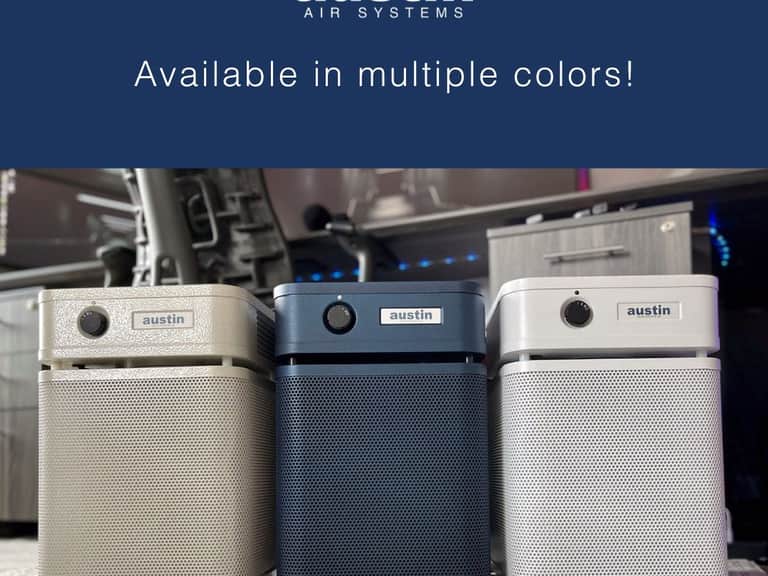
Air purifiers are designed to improve indoor air quality by capturing airborne particles, reducing pollutants, and enhancing overall comfort in living spaces. This category highlights models and filters that address common concerns such as dust, pollen, pet dander, and volatile organic compounds, contributing to healthier environments for daily activities and sensitive occupants.
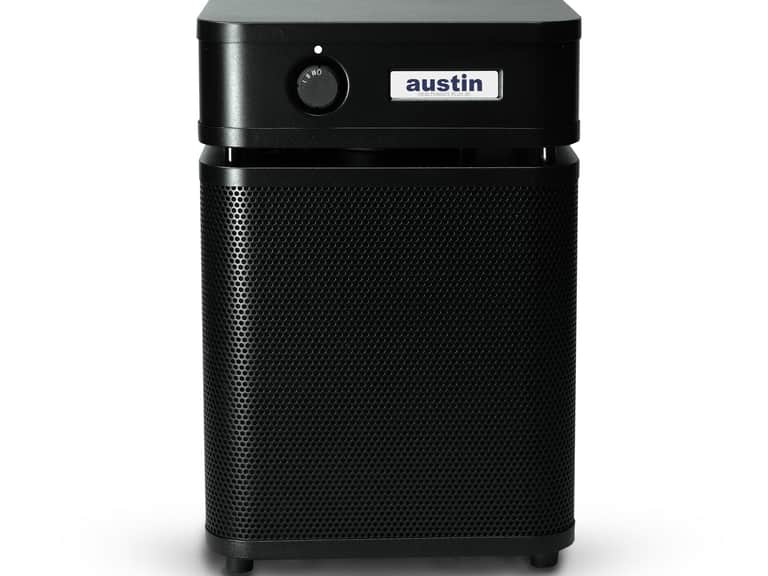
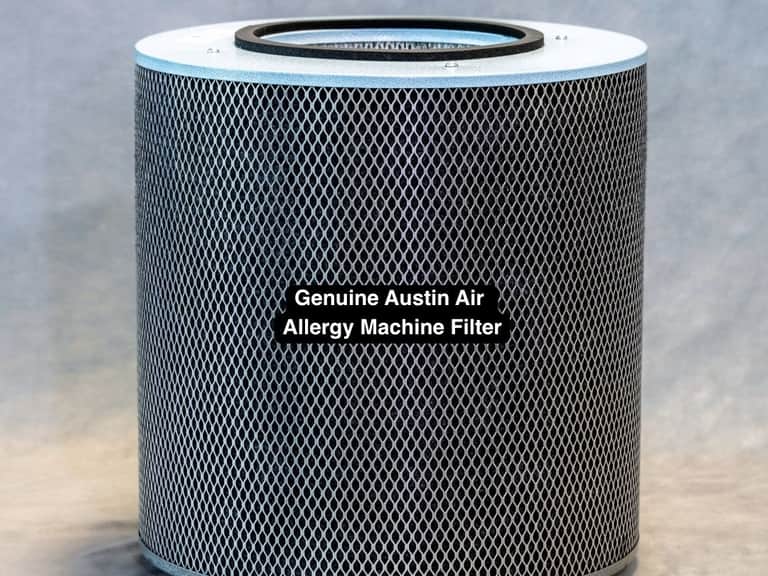
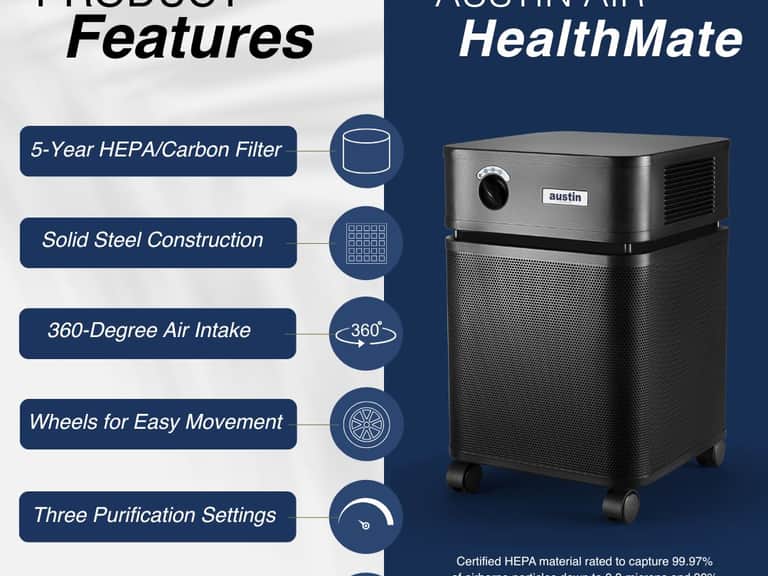
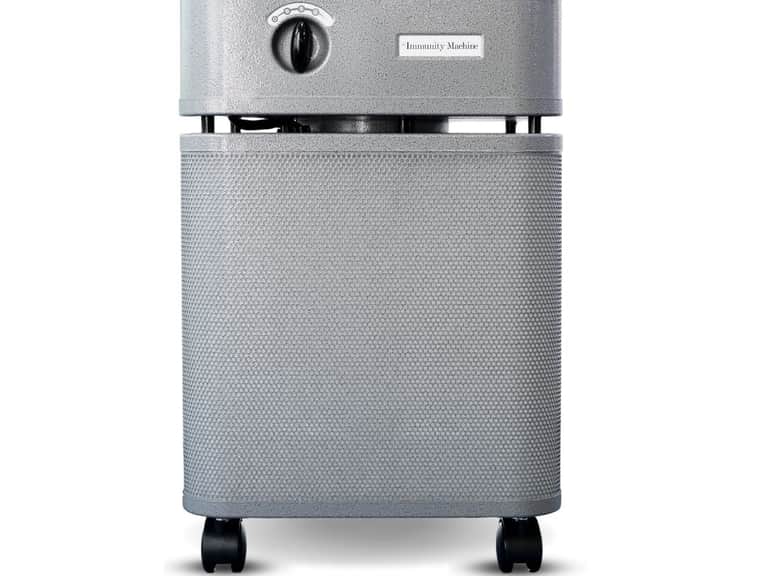
Key features across the Immunity Machine, HealthMate Plus, Bedroom Machine, and Allergy Machine lines include high-efficiency particulate air (HEPA) filtration, activated carbon for odor control, and adjustable fan speeds. These elements work together to capture fine particles while minimizing airborne irritants, supporting clearer breathing and easier maintenance.
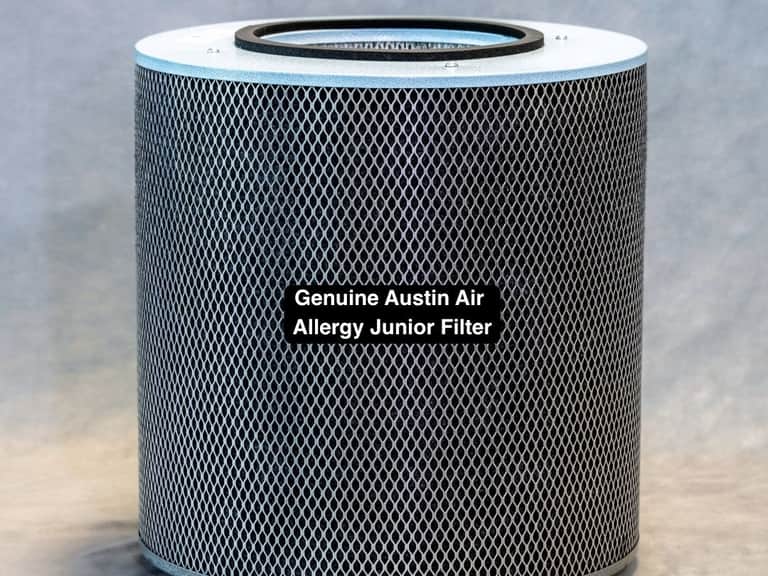
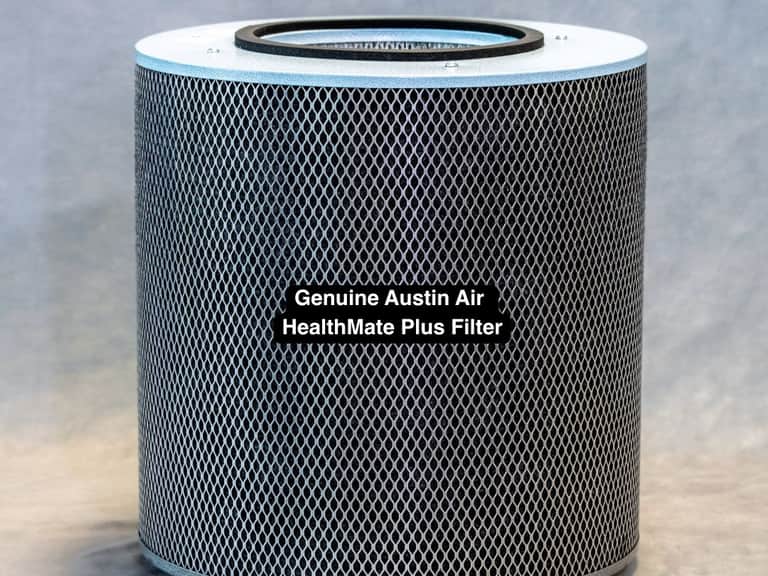
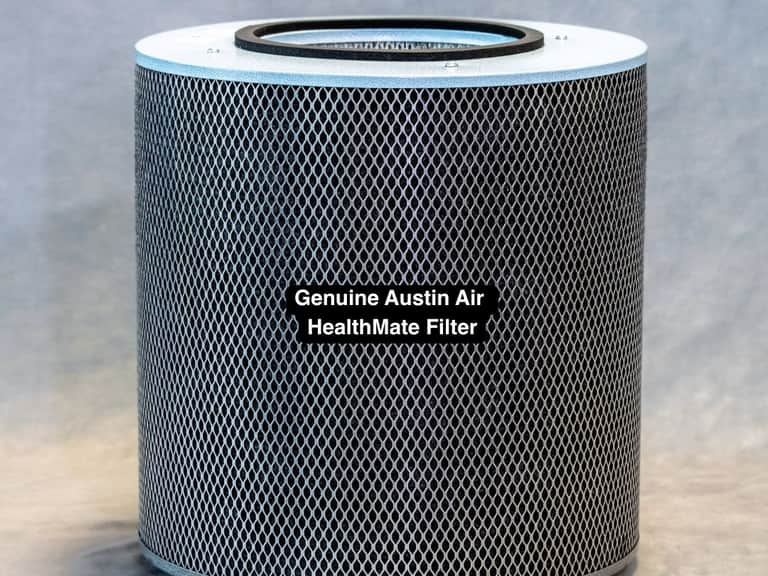
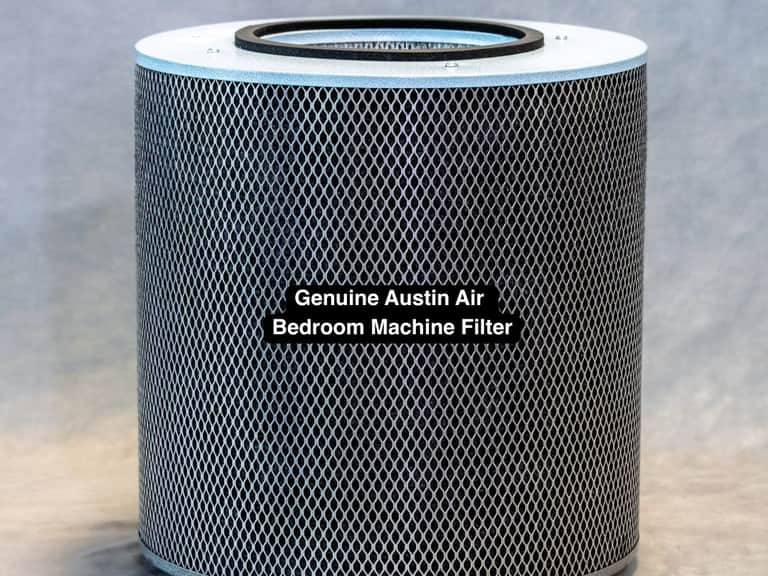
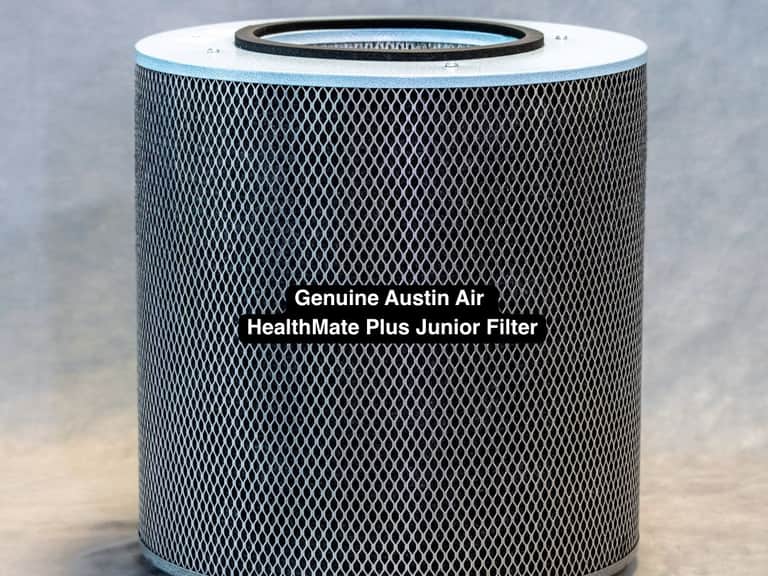
Junior variants like Allergy Machine Junior Filter and HealthMate Plus Junior offer compact performance for smaller rooms or nurseries, prioritizing quiet operation and energy efficiency. Replacement filters—such as Immunity Machine Filter, HealthMate Plus Filter, and Bedroom Machine Filter—keep systems performing at peak efficiency and extend product lifespans.
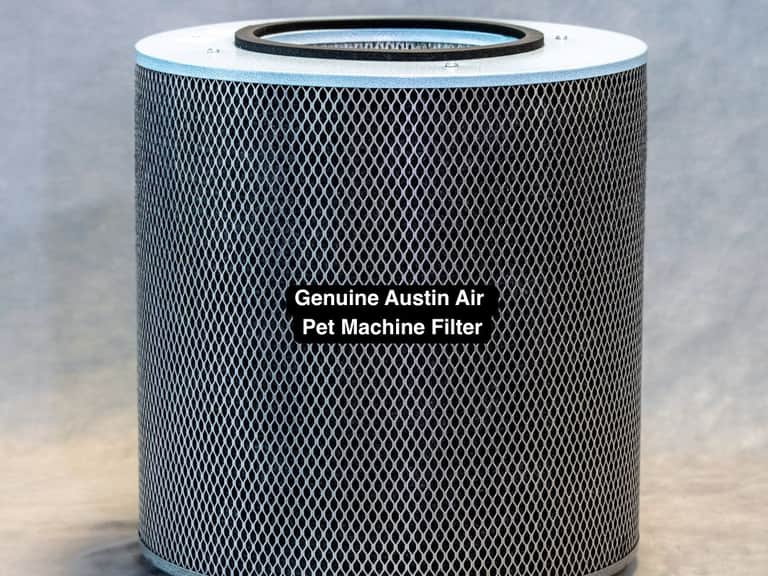
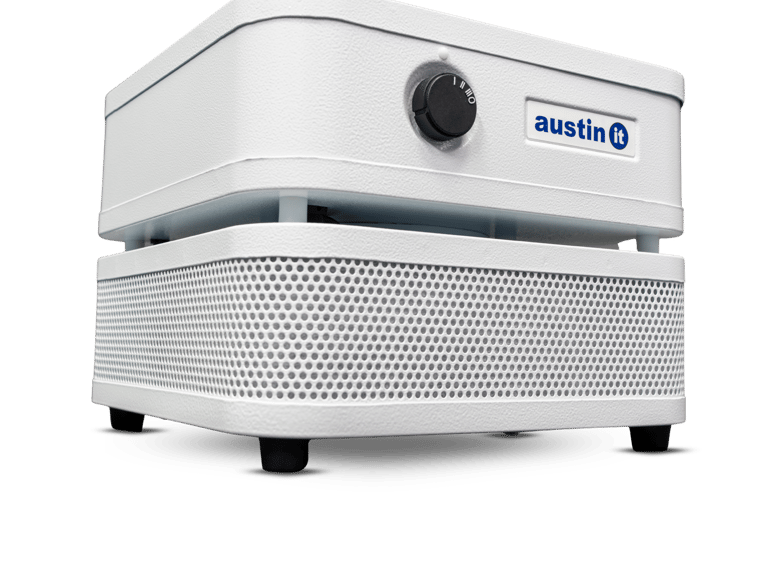
Specialized options such as the Pet Machine Filter address pet-related allergens, while HealthMate and HealthMate Junior models emphasize balanced filtration and user-friendly maintenance. The Austin “it” and its replacement filters provide compatibility with specific configurations, ensuring versatile fit for diverse indoor environments.
In addition to core purifiers, this category includes a range of compatible replacement filters like HealthMate Filter, HealthMate Junior Filter, and HealthMate Plus Junior Filter, enabling tailored filtration cycles. Understanding room size, pollutant sources, and desired noise levels helps determine which model and filter combination best supports a healthier indoor atmosphere.
 Air Purifiers